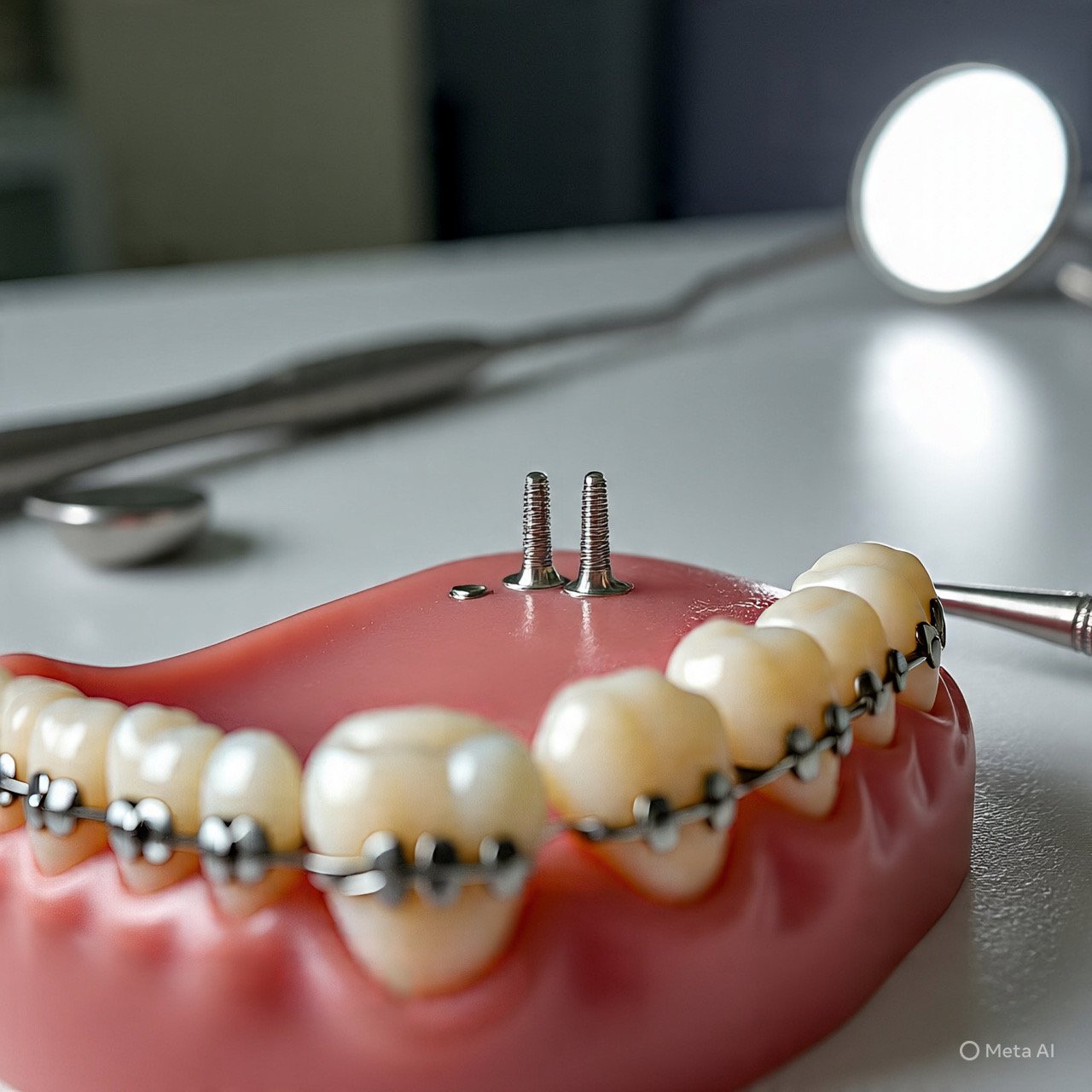
6 year molars
Kissing Molars, Jaw Asymmetry & Growth Timing:
Your Orthodontic Questions
Answered
Meta description: What are 6 year molars “kissing molars,” how do orthodontists predict a child’s growth spurt, and what are the options for an uneven jaw? Clear, calm answers to three commonly misunderstood dental questions.
Introduction: Three Questions Patients Actually Ask
If you’ve been told you have an impacted molar, or you’ve noticed your jaw looks a little uneven in photos, it’s natural to want straight answers without the scare tactics. This guide walks through three topics that often get tangled together online: the rare condition known as “kissing molars,” how orthodontists estimate the right timing for treatment, and what can be done about facial asymmetry. No jargon, no exaggeration — just what’s actually known.6 year molars
A quick note up front: this article is general education, not a diagnosis. Anything you read here should be checked against what your own dentist or orthodontist sees on your X-rays.
Part 1:6 year molars Kissing Molars — What They Are and Why They’re Rare
What are kissing molars?
“Kissing molars” (sometimes called rosette formation) is a descriptive nickname for a specific, unusual pattern of impacted teeth. The term refers to impacted molars in the lower jaw whose chewing surfaces face and touch each other inside a single shared sac of tissue, with their roots pointing in opposite directions. The classic pairing is the second and third molars.
It is genuinely rare. It appears in only about 0.1% of people having lower wisdom-tooth surgery, and only a few dozen well-documented cases exist in the dental literature. So while it’s a real condition worth understanding, it is not something most people will ever encounter. The exact cause isn’t fully understood, though limited space in the jaw is thought to play a role.
How would you even know?
Kissing molars usually don’t announce themselves and are often discovered by chance on a panoramic X-ray taken for another reason. When symptoms do occur, they can include:
∙ Aching or tenderness toward the back of the lower jaw
∙ Swollen or sore gum tissue over an unerupted tooth
∙ Repeated low-grade gum infections in the same spot (your dentist may call this pericoronitis)
Because the teeth are sealed under the gum and bone, food trapping and infection are the main concerns, and in some cases a fluid-filled sac (a cyst) can form around an impacted tooth over time. That’s the reason dentists keep an eye on them rather than ignoring them.
How are 6 year molar treated?
There’s no single “modern miracle fix,” and you should be skeptical of anyone selling one. The real options are straightforward:
∙ Watchful monitoring. If the teeth aren’t causing symptoms and there’s no cyst or damage to neighboring teeth, a dentist may simply track them with periodic X-rays.
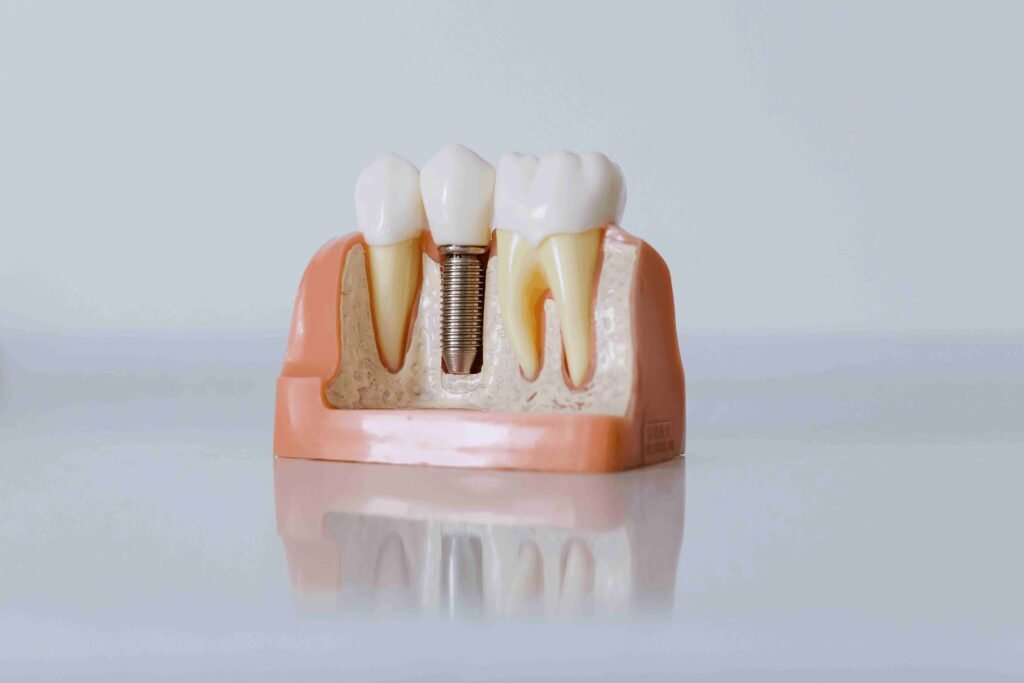
∙ Surgical removal. When they’re causing infection, pain, or cyst formation, the usual treatment is surgical extraction by an oral surgeon, sometimes followed by a dental implant if a functional tooth is lost.
The right choice depends on your specific X-rays, your age, and whether the teeth are causing problems — which is a conversation for you and an oral surgeon, not a decision to rush.
Part 3: Facial Asymmetry — When One Side Develops Differently
Almost everyone is a little asymmetric, and minor differences are completely normal. It’s only when the imbalance is noticeable or affects function that it becomes a clinical question.
Signs worth mentioning to a professional
∙ The chin appears shifted to one side
∙ The lower teeth midline sits noticeably off-center
∙ A persistent difference in how the two sides of the face look
∙ Jaw clicking, locking, or pain near the ears when chewing
∙ A bite that seems “off” only on one side
These can have many causes — some skeletal, some related to the jaw joint (TMJ), some dental. A few involve one jaw condyle growing more than the other, which is why an orthodontist may investigate further rather than guessing.
How asymmetry is evaluated and managed
The path depends entirely on the cause, the severity, and whether growth is still active. In broad strokes:
∙ Mild, dental asymmetry may be improved with braces or aligners alone.
∙ Asymmetry in a growing child is sometimes guided with growth-modifying appliances.
∙ Cases driven by active, ongoing jaw-joint overgrowth may need a surgeon’s assessment, sometimes including imaging to check whether growth is still happening before deciding on treatment.
∙ Significant skeletal asymmetry that has finished growing is typically addressed with orthodontics combined with corrective jaw (orthognathic) surgery.
Modern 3D imaging and surgical planning have made these procedures more predictable than they once were. But the specifics — including recovery and outcomes — vary a lot from person to person, so any numbers you see quoted online are averages at best. The honest answer is that a proper workup comes first, and the treatment plan follows from it.
Quick FAQ:6 year molar
Should kissing molars always be removed?
No. If they’re not causing symptoms and there’s no cyst or damage to nearby teeth, monitoring may be appropriate. Removal is recommended when they cause infection, pain, or cyst formation. An oral surgeon decides based on your X-rays.
My child’s teeth look crooked but they still have baby teeth. When should we see an orthodontist?
A first orthodontic check around age 7 is a widely recommended guideline. It lets the orthodontist spot developing issues and plan the best timing — not necessarily to start treatment right away.
Is jaw surgery for asymmetry as frightening as it sounds?
It’s a major procedure and deserves a thorough discussion with your surgeon, but 3D planning has made it more precise. Recovery and results differ by individual and case complexity, so ask your own surgical team what to realistically expect.
The Bottom Line
Back-of-the-jaw discomfort, an uneven smile, and questions about a child’s growth are all worth taking seriously — but they rarely call for panic. Kissing molars are rare and often just monitored; growth timing is best judged by skeletal indicators rather than age alone; and facial asymmetry has a range of options that depend on the cause. If something here sounds familiar, the next step is simple: a panoramic X-ray and a consultation with a qualified orthodontist or oral surgeon.
To find a certified orthodontist near you, the American Association of Orthodontists maintains a public directory at aaoinfo.org.
This article is for general education and is not a substitute for professional dental or medical advice. Always consult a qualified clinician about your individual situation.
Suggested keywords: kissing molars, impacted molar pain, kissing molars treatment, predicting growth spurt orthodontics, cervical vertebral maturation, jaw asymmetry causes, uneven jaw treatment, facial asymmetry options, when to see an orthodontist, orthodontic treatment timing