How Old Is Too Old for Braces? The Truth About Adult Orthodontics
Last updated: June 2026 • Reviewed for clinical accuracy • 8-minute read
|
Quick answer: There is no biological age limit for braces or clear aligners. If your teeth and gums are healthy, you can straighten your smile at 18, 48, or 78. The oldest patient successfully treated in documented orthodontic research was 94 years old. Healthy gums and a controlled bite — not your birth date — decide whether you are a candidate. |
If you have ever caught yourself hiding your teeth in photos and thought “I’m probably too old for braces now” — this guide is for you. “How old is too old for braces?” is one of the most common questions orthodontists hear, and the honest answer surprises most people: age is almost never the deciding factor. Adults now make up a large and fast-growing share of orthodontic patients, and modern, near-invisible options have made treatment realistic for busy professionals and retirees alike.
Adult Orthodontics at a Glance
Here is how treatment typically compares between younger and adult patients.
|
Factor |
Youth Treatment |
Adult Treatment |
|
Typical treatment time |
12–24 months |
Usually 15–30 months |
|
Bone response |
Faster, because bones are still growing |
Slower, but equally effective |
|
Most common options |
Traditional metal braces |
Clear aligners (about 89% choose these), ceramic braces, lingual braces |
|
Special considerations |
Growth guidance often needed |
Gum and bone health are critical; interdisciplinary care may be required |
Why Age Isn’t the Deciding Factor
The Biology of Tooth Movement
Teeth move in response to gentle, sustained pressure — and that mechanism works at any age. The periodontal ligament, the network of fibers that anchors each tooth in the surrounding bone, stays biologically active throughout life. When light force is applied, bone remodels: it dissolves on one side of the tooth and rebuilds on the other, allowing the tooth to drift into a better position. This process does not switch off when you turn 30, 50, or 70.
The old belief that “only children can get braces” has been overturned by more than three decades of clinical research. The main difference in adults is pace, not possibility — mature bone remodels a little more slowly, so treatment can take somewhat longer, but the end results are comparable.
Modern Treatment Options for Adults
Today’s adults rarely have to choose between a metal-mouth look and a crooked smile. Discreet options dominate:
Real Considerations for Adult Patients
Because adult mouths have more history, a few factors deserve closer attention than they would in a teenager.
Real Success Stories
|
Case 1 — Age 68 Severe crowding treated with clear aligners over 28 months. The result: easier chewing and an end to food constantly trapping between teeth. |
|
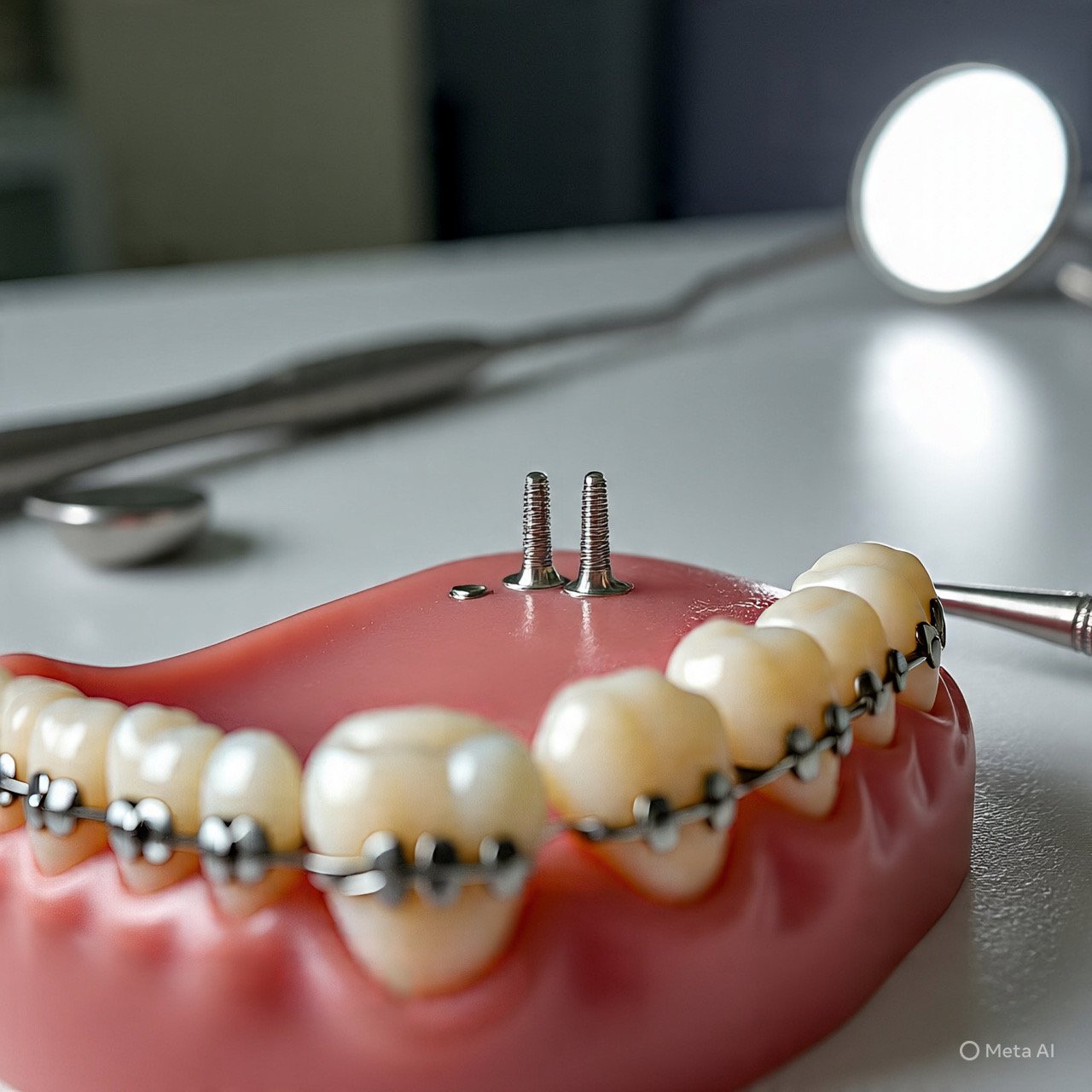
Case 2 — Age 55 An anterior open bite corrected using clear aligners combined with temporary anchorage devices (TADs) to control tooth movement precisely. |
|
“Age is not a contraindication for orthodontic treatment. I’ve successfully treated patients in their 90s. What matters is periodontal health and commitment to the process.” — Dr. Sarah Kim, Board-Certified Orthodontist |
When Braces Might Not Be Advised
Orthodontics is remarkably accessible in adulthood, but a few situations need to be resolved or ruled out first:
Important: None of these are automatic disqualifiers. Most are conditions to manage first, then revisit — not permanent barriers.
Frequently Asked Questions
Is 50 too old for braces?
No. Patients in their 50s, 60s, and beyond are treated routinely. As long as your gums and supporting bone are healthy, treatment works just as it does for younger adults — it may simply take a little longer.
Do braces work the same on older adults?
The underlying biology is identical: teeth move when steady pressure is applied. Mature bone remodels slightly more slowly, so the timeline can be a bit longer, but the final outcome is comparable.
What is the best option for adults who don’t want visible braces?
Clear aligners are the most popular discreet choice, picked by roughly 89% of adult patients. Ceramic (tooth-colored) braces and lingual braces hidden behind the teeth are strong alternatives.
How long do braces take for adults?
Most adult treatment runs about 15 to 30 months depending on complexity. Accelerated techniques can shorten this in suitable cases.
Will I need to wear a retainer forever?
Adults typically need long-term, often lifelong, nighttime retainer wear. Teeth naturally drift with age, and consistent retention is what protects your investment.
The Bottom Line: How Old Is Too Old for Braces?
If your teeth and gums are healthy, you are never too old for a better smile. Modern orthodontics offers discreet, comfortable options that fit professional lives and active retirements alike. A straighter bite is not just cosmetic — it can make cleaning easier, reduce uneven wear, and improve chewing.
The best next step? Book a consultation with an orthodontist who specializes in adult care. A short exam of your gums, bone, and bite will tell you exactly what is possible — far more reliably than any number on a calendar.
Disclaimer: This article is for educational purposes only and is not a substitute for professional advice. Individual treatment options vary. Consult a qualified orthodontist for guidance specific to your oral health.
https://alignercue.com/orthodontic-exam-questions/